The Alto Learning Environment
Early-season, it's important to address a topic that is central to our team culture and the positive learning environment we work to create every day. Please take a few minutes to read the information below.
When I think about our age group swimmers, I don’t just see the progress, friendships, and swimming accomplishments of the current season. I think about each athlete’s 10+ year journey through the sport and the long-term relationship our coaches hope to build with both swimmers and families. That ongoing partnership is one of the most meaningful parts of coaching. Competitive success is exciting, but helping young athletes grow, develop independence, and build a lasting, positive relationship with the sport is even more important.
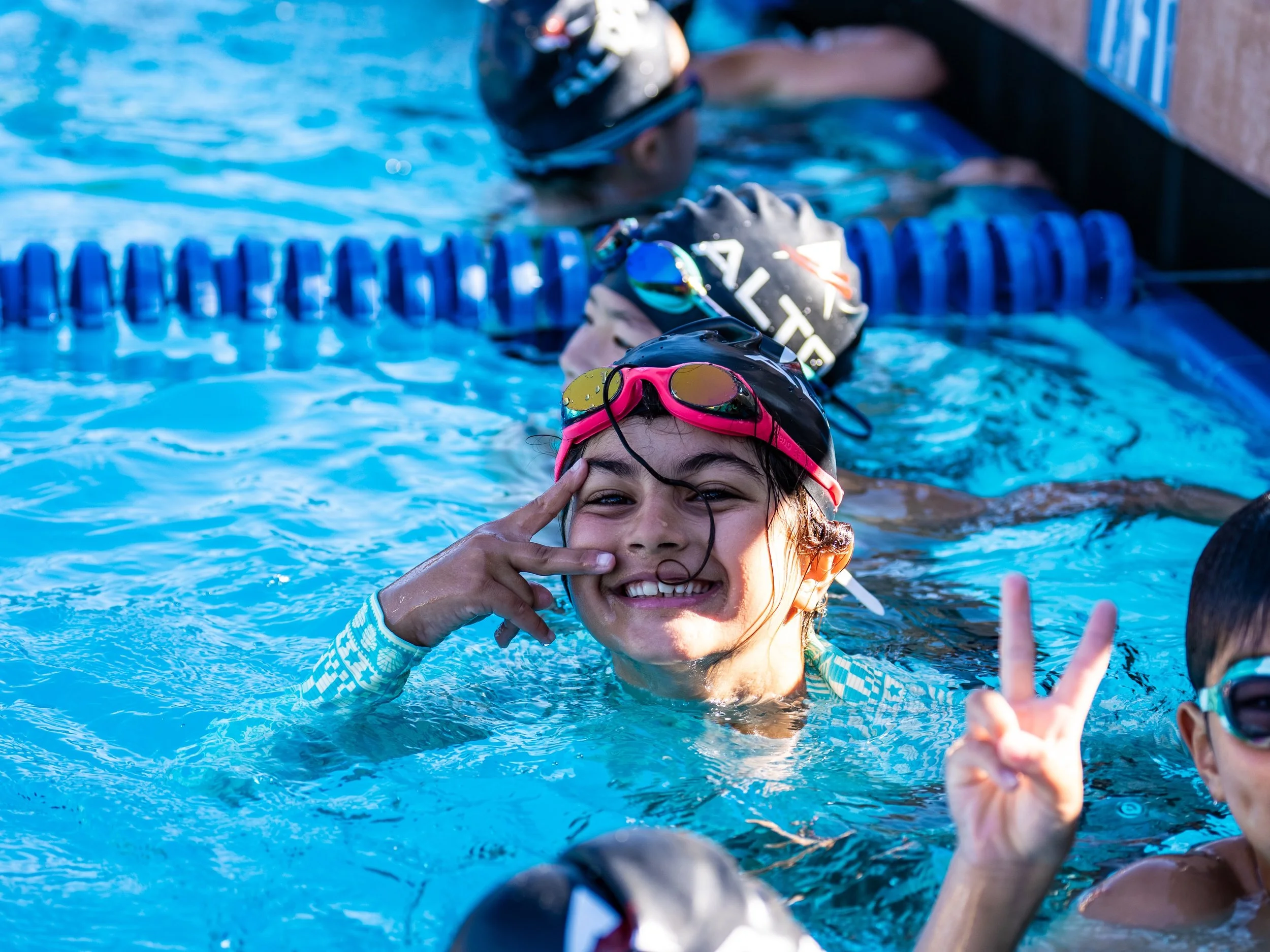
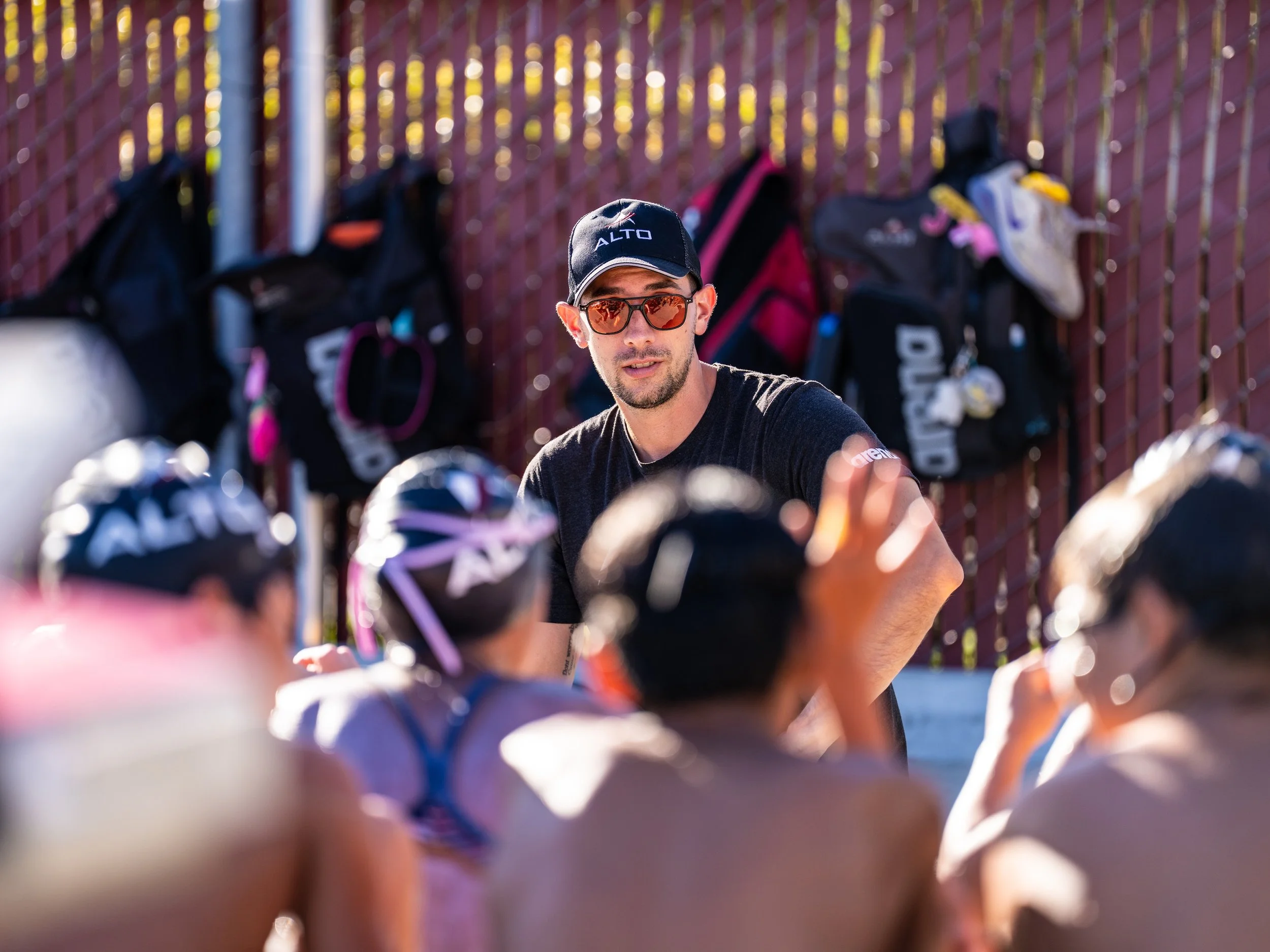
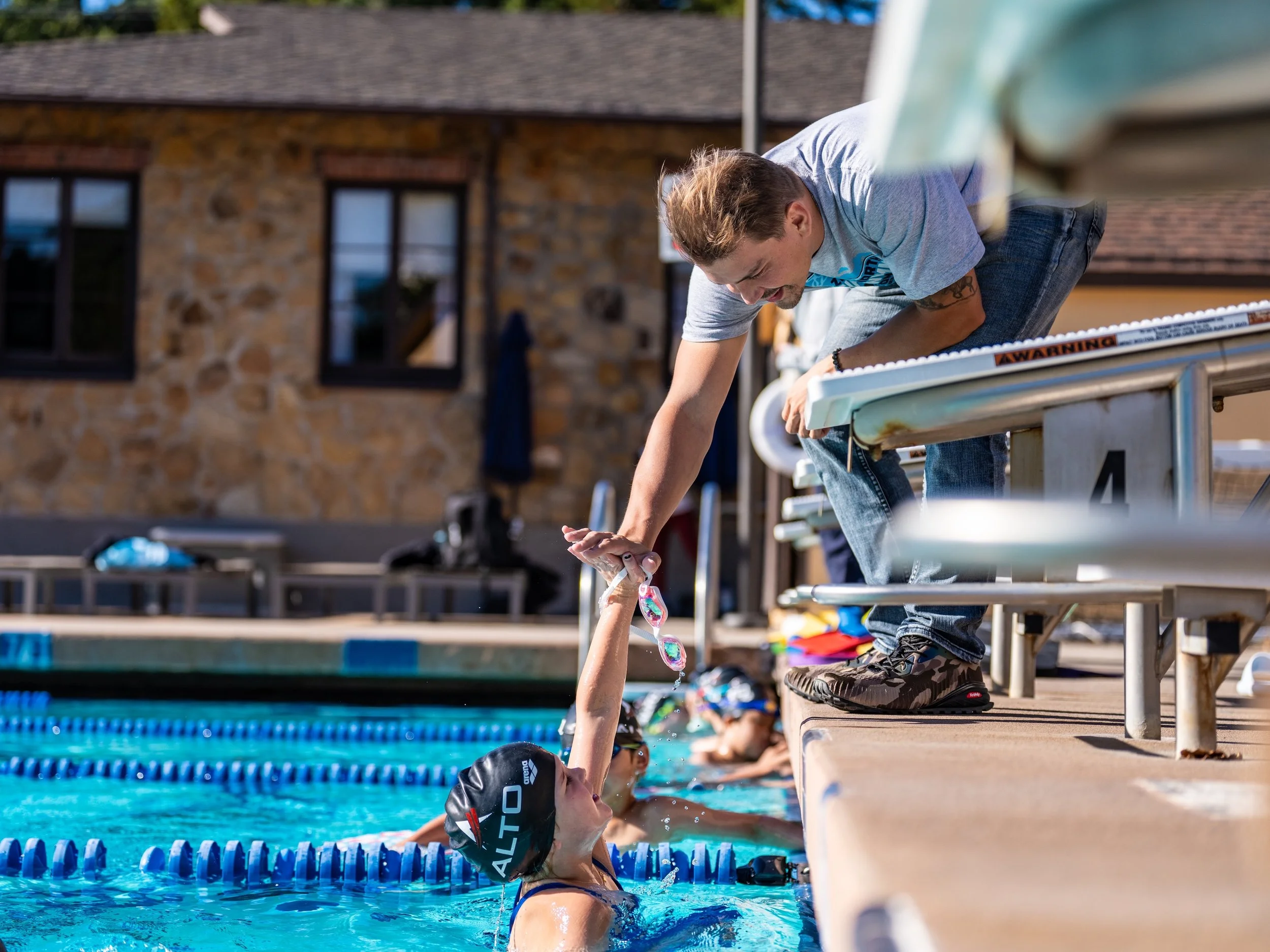
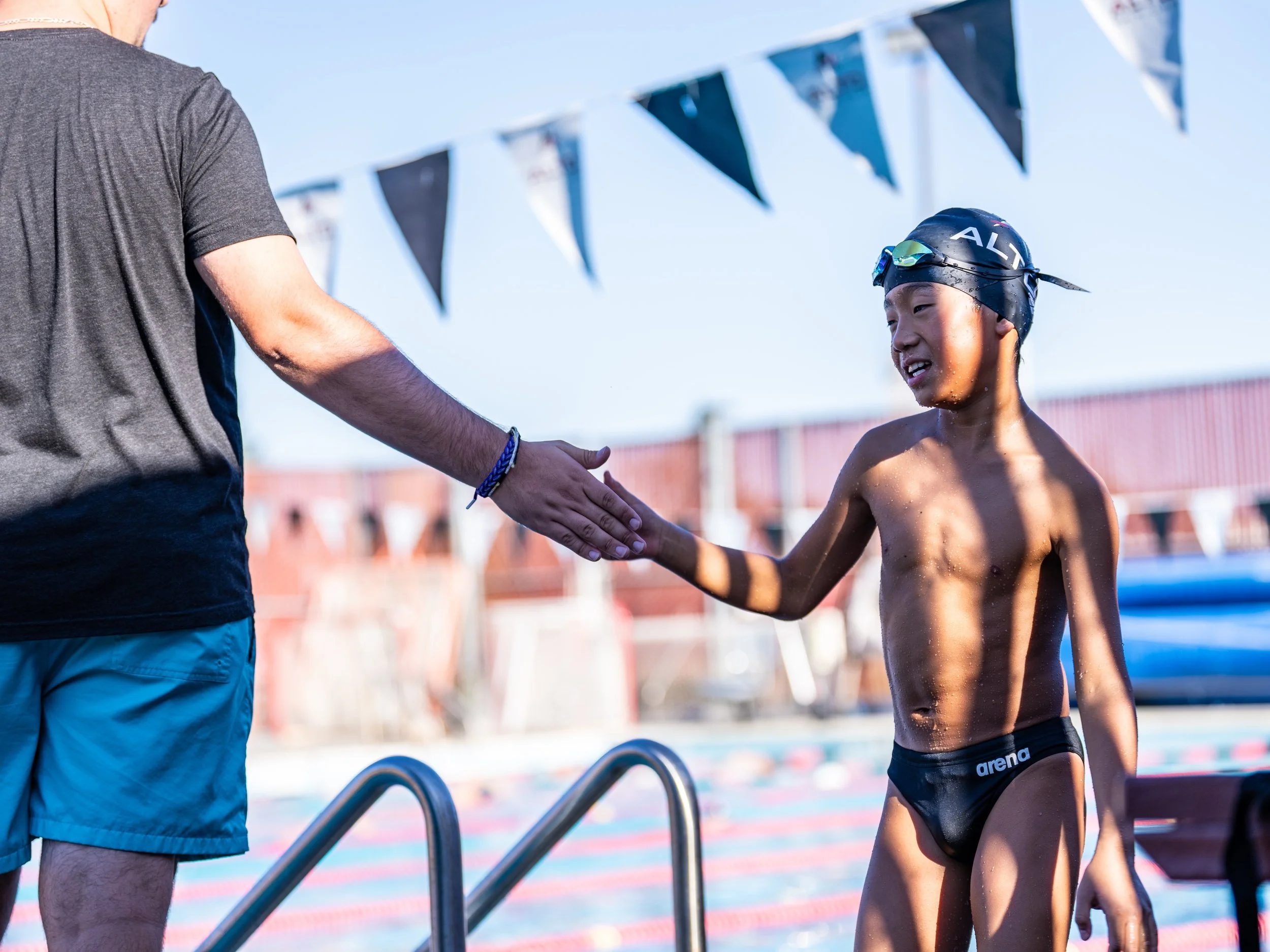
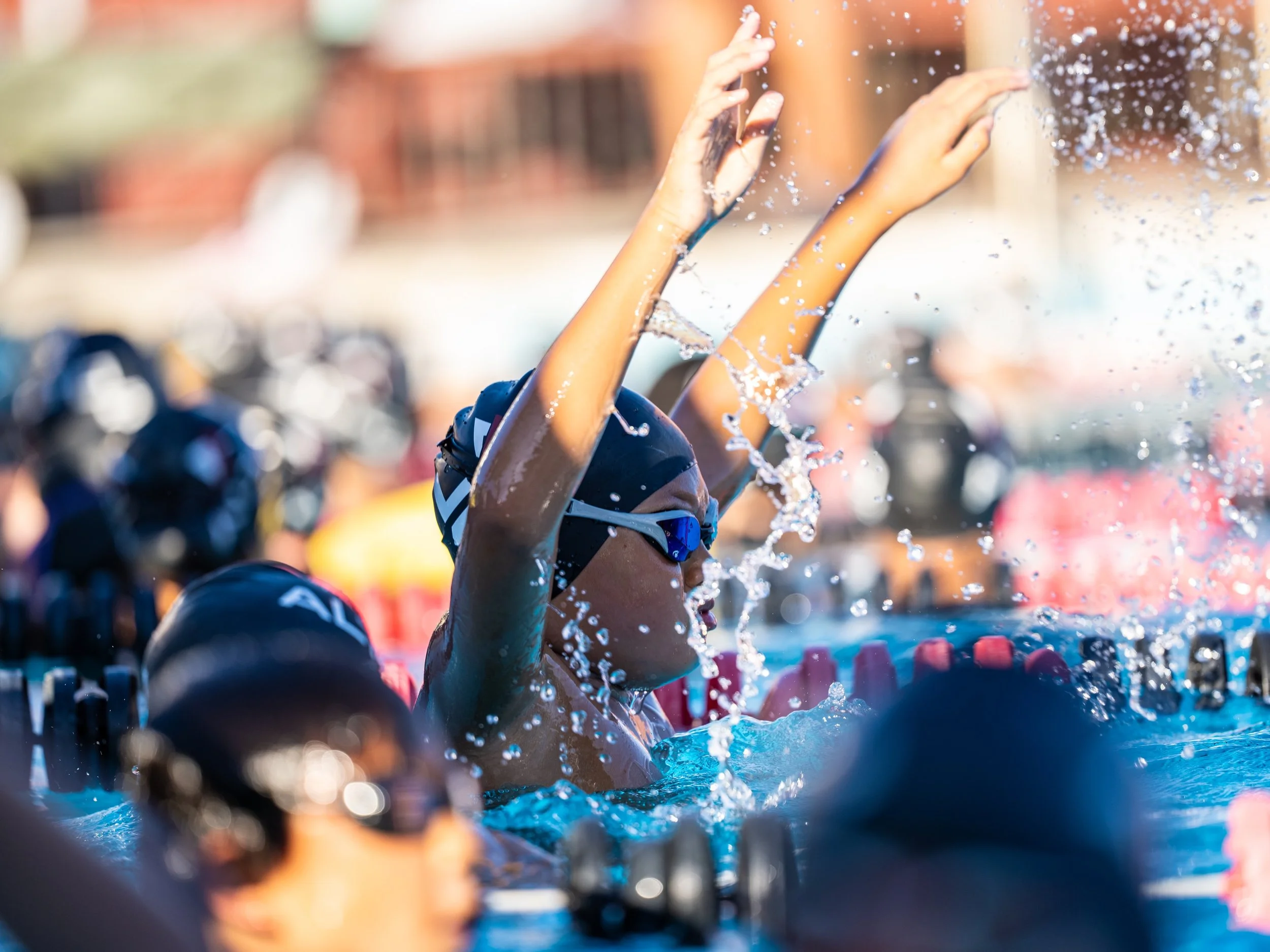
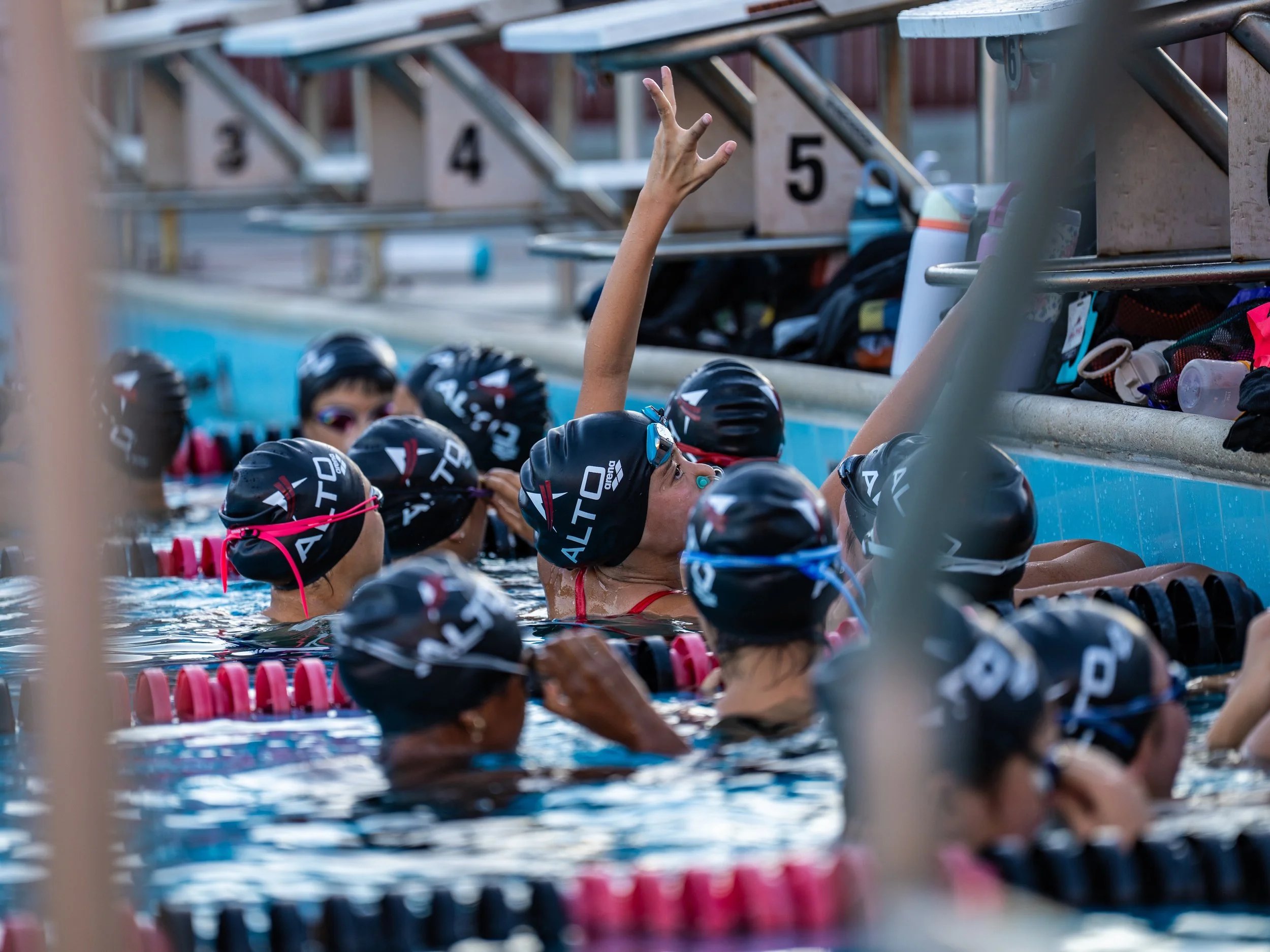
With that long-term vision in mind, the Alto coaching staff is very intentional about the environment we create every day on the Alto pool deck. Our coaches work hard to make practice a place where athletes can learn, make mistakes, build confidence, connect with teammates, and increasingly take ownership of their swimming. Parent support is essential to making that possible!
Respecting Practice as a Learning Space
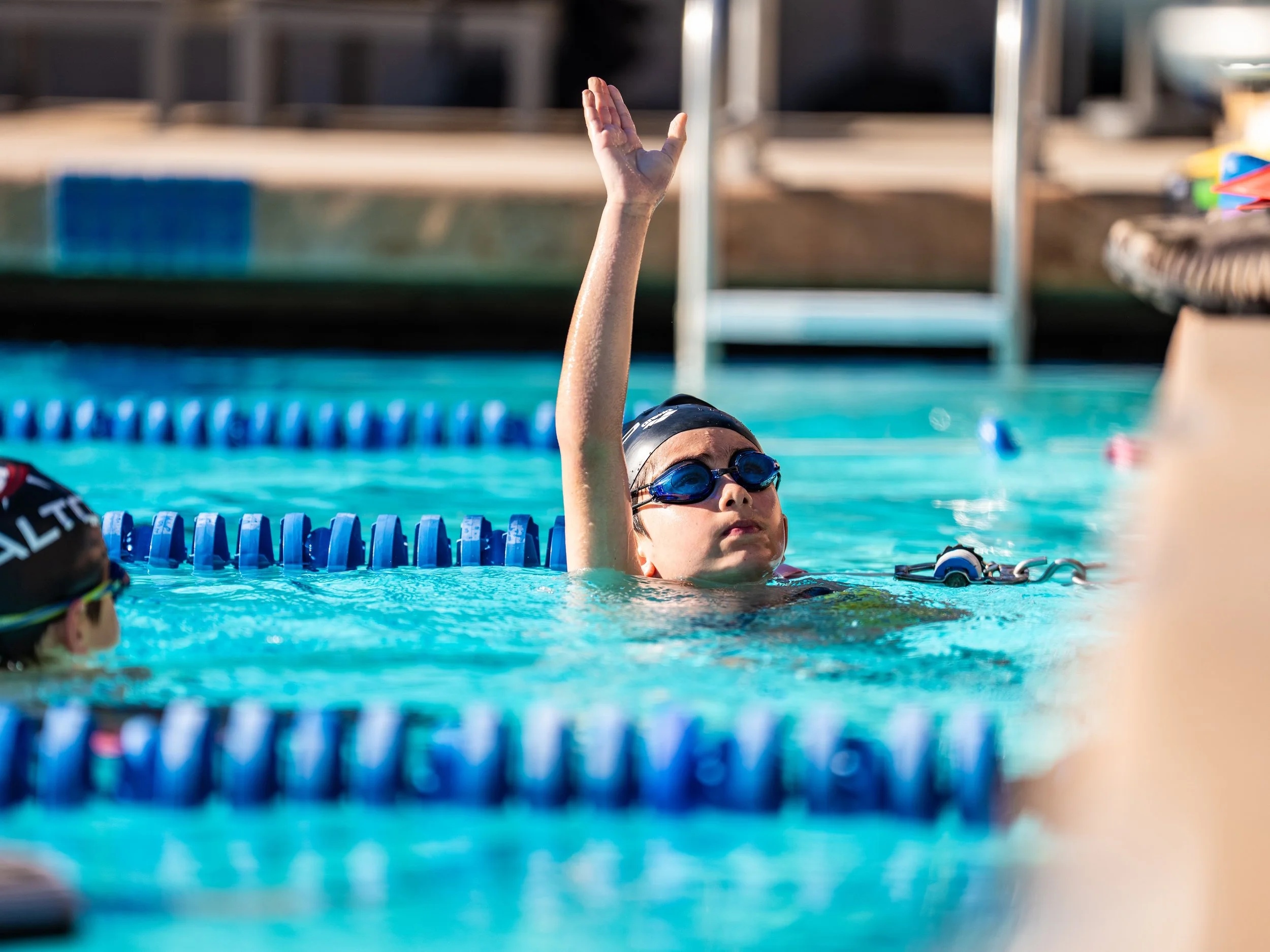
We ask parents to treat the pool deck as a classroom. While you’re welcome to pass by at any time, please refrain from hovering, sitting by the fence, or standing for extended periods at the gate to watch practice. These areas are intended for foot traffic, not spectating.
Our practices are open and observable, but we ask families to approach them with the same respect they would give any other learning environment. Regular or extended spectating can unintentionally change the experience for swimmers, coaches, and the group as a whole.
The same expectation applies to dryland. Parents should not hover in our dryland areas or use the dryland space while coaches are actively leading dryland. Please give athletes and coaches the space they need to conduct each session safely and effectively.
Over many years of coaching, we have seen that when parents become highly focused on monitoring their swimmer's daily practice, it can unintentionally begin to damage the athlete's experience and enjoyment of the sport. This includes watching through the fence, closely analyzing what the swimmer is doing, or commenting on practice speed while critical skill development is in progress.
Parent involvement comes from a place of care and support, but this level of involvement over time adds pressure, limits independence, and changes the way a swimmer experiences the sport. In some very unfortunate cases, we have seen these patterns contribute to swimmers leaving the sport permanently. We have seen these several issues develop:
1. Pressure and Anxiety: Practice should be a place where athletes feel comfortable trying something new, making mistakes, and learning without feeling that every repetition is being critically evaluated by their parent.
2. Developing Independence: An important part of youth sports is learning to problem-solve, communicate with coaches, respond to challenges, and take ownership of the experience. Giving swimmers appropriate space helps them develop these skills.
3. Supporting Coach-Athlete Learning: During practice, athletes need to be able to focus on the instruction and feedback coming from their coaches. Additional feedback or coaching from parents creates confusion and interferes with learning.
4. Social Development: Practice is also where swimmers build friendships, develop teamwork, and learn how to be part of a group. Space from parents allows athletes to engage more fully with their teammates and develop those connections independently. Social Connection is one of the most significant factors in 12-and-under retention in sport. Allowing your child the space to make friends will keep them in swimming!
5. Long-Term Enjoyment of the Sport: When every practice feels like an evaluation, training is no longer a place to learn. Giving athletes space helps protect their enjoyment of the sport and supports a healthier, more sustainable experience for both swimmers and families.
6. Create Space for Yourself, Too: For parents, constantly attending every practice can be time-consuming and exhausting. Give yourself back those extra 1-2 hours. Take a walk, grab a coffee or tea, read a book, run an errand, or even take a nap in the car! Let your child see that while they are investing in something good for them, you are also taking time to care for your own physical and mental well-being. When kids see their parents making time for exercise, rest, and their own well-being, it models the healthy habits we hope they will carry into adulthood. Let practice be their time, and give yourself permission to make it your time too!
Allowing your swimmer some space at practice fosters independence, resilience, confidence, and a deeper sense of ownership over their sport. It also gives them the freedom to make mistakes, work through challenges, and build strong relationships with their coaches and teammates.
Our team thrives because of active, supportive, and engaged parents, and we are not asking families to step back from being an important part of their swimmer’s experience! Rather, we are asking you to support the learning environment by putting your athlete in the driver's seat.